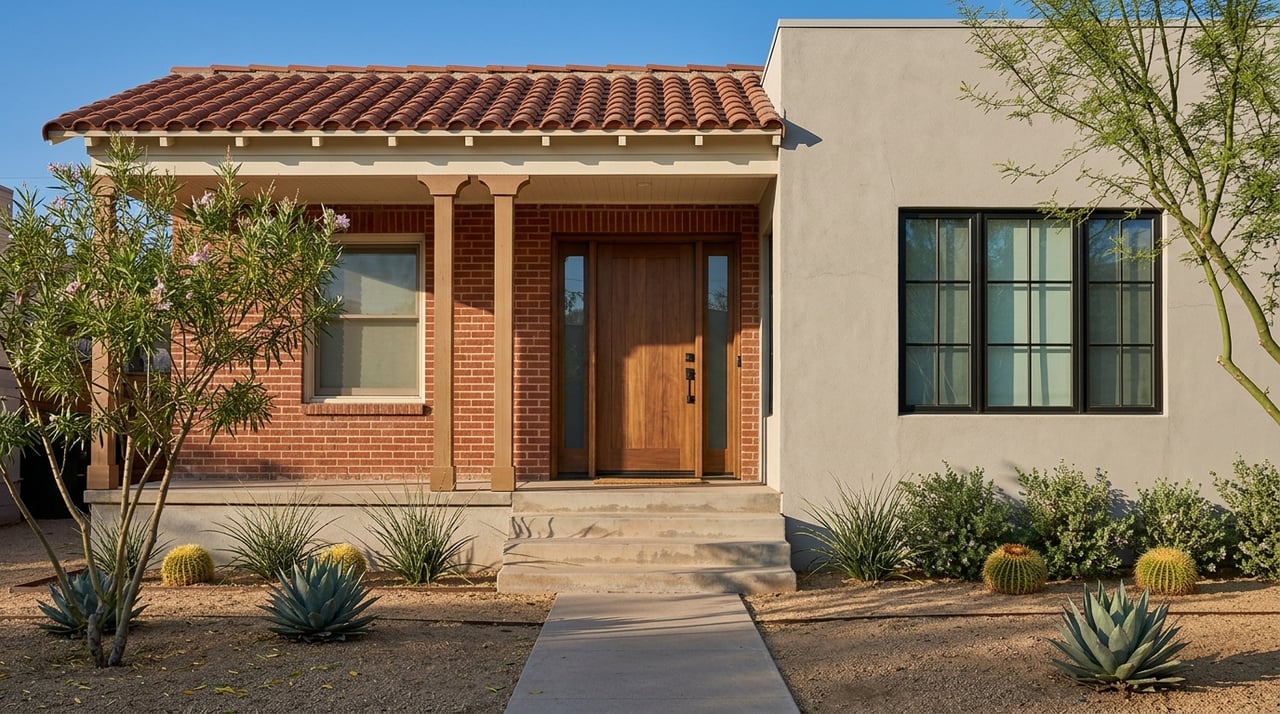
Central Phoenix Historic Homes Vs New Builds: Buyer Guide
June 4, 2026
June 4, 2026
If you are torn between a charming bungalow and a sleek new infill home, Central Phoenix is one of the few places where that choice feels especially real. In and around Central City, you can find some of Phoenix’s oldest residential areas alongside newer housing shaped by today’s building standards. This guide will help you compare historic homes and new builds in practical terms, so you can decide which option better fits your budget, lifestyle, and renovation comfort level. Let’s dive in.
Central City is Phoenix’s downtown core, and it sits near many of the city’s oldest neighborhoods. The city describes the area as a transportation hub with freeway access, public transit, and close proximity to Sky Harbor International Airport. That gives central Phoenix a more urban, connected feel than many suburban parts of the Valley.
It is also one of the few areas where historic character and newer development overlap in a meaningful way. Phoenix has 36 residential historic districts citywide, and several well-known districts sit in or near the downtown and Encanto areas, including Roosevelt, North Garfield, Garfield, F.Q. Story, Willo, Encanto-Palmcroft, Ashland Place, and Windsor Square. For buyers, that means you are often choosing between established architecture and current-code convenience within the same general area.
In Phoenix, a home is not automatically “historic” just because it is old. The city defines a historic property as one that is at least 50 years old, significant, and still retains integrity. That matters because the home’s status can affect what you can change and how long approvals may take.
There is also an important difference between local historic designation and National Register status. Phoenix’s local Historic Preservation overlay is what triggers development review and demolition or alteration protections. By contrast, the Arizona State Historic Preservation Office notes that National Register listing is honorary and does not, by itself, restrict owner use or improvement.
Before you fall in love with a property, ask these questions:
Those details shape everything from renovation plans to approval timelines.
Historic homes in central Phoenix often attract buyers who care about character, lot pattern, and a mature streetscape. Phoenix survey materials reference styles such as bungalows, Craftsman homes, Mission Revival, Spanish Colonial Revival, Territorial, and other period revival forms. In everyday terms, these homes often stand out for architectural details that are harder to find in newer construction.
Many buyers also like the neighborhood identity that comes with these areas. Central Phoenix offers access to downtown cultural destinations, and the city points to places like the Heard Museum, Phoenix Art Museum, Phoenix Theatre, Central Library, and Cancer Survivors Park as part of the broader central-city experience. If you want an urban location with established surroundings, historic neighborhoods often deliver that feeling.
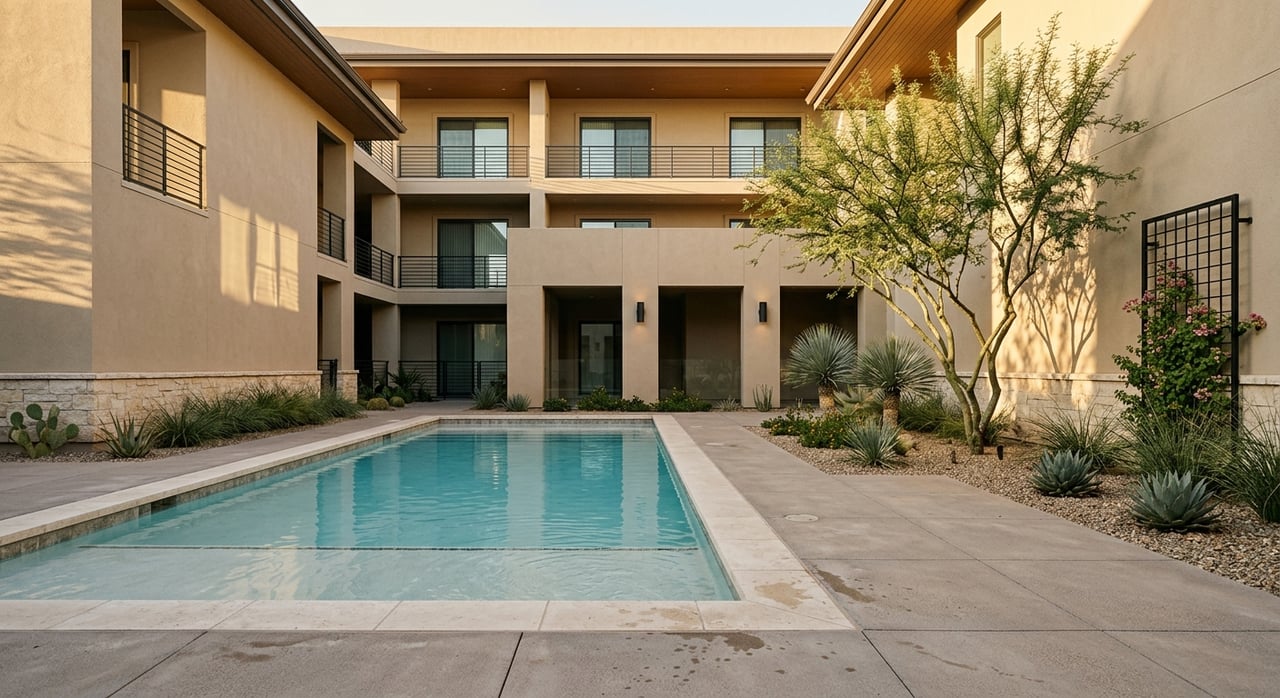
New construction in central Phoenix tends to appeal to buyers who want fewer unknowns upfront. A newer home is generally designed around Phoenix’s current building code and permit process, which can mean less near-term retrofit work. That can be especially appealing if you want a move-in-ready property with a more predictable maintenance outlook.
Phoenix adopted the 2024 Phoenix Building Construction Code effective August 1, 2025. The update includes items such as EV readiness, lower water-flow limits, and accessibility-related home design improvements. That does not guarantee every new home will feel the same, but it does show how current code is shaping newer housing in Phoenix.
For most buyers, the decision is not really about old versus new in a simple way. It is about how much structure you want around ownership. Historic homes often offer more personality and a stronger sense of place, but they also come with more review requirements for exterior work and more decisions about preservation.
New builds often offer a smoother ownership experience when it comes to updates and code alignment. The tradeoff is that they may not have the same architectural detail, lot rhythm, or period feel that draws buyers to central Phoenix’s older districts. Your best fit depends on whether you value originality and neighborhood fabric more than flexibility and ease.
If you are considering a historic home, renovation rules should be part of your buying decision from day one. Phoenix’s Historic Preservation Office reviews exterior alterations for properties on the Historic Property Register. A Certificate of No Effect or Certificate of Appropriateness is required for proposed building permits that affect the exterior of listed properties, including infill construction and changes to non-historic properties inside historic districts.
Some minor work may be approved over the counter through a Certificate of No Effect. A Certificate of Appropriateness involves a public hearing after a pre-application meeting with city staff. That added process can affect your timeline, budget, and project scope.
Historic review becomes even more important if you are thinking about a major remodel or teardown scenario. Phoenix requires a permit before demolition work begins, and listed properties receive added preservation review for interior demolition permits plus separate plan review for exterior demolition. Some listed or eligible properties may also go through a Demolition Application Plan process with a hold period.
That does not mean change is impossible. It does mean you should understand the property’s historic status before you count on a fast redesign or redevelopment plan. If you are an investor or value-add buyer, this is one of the biggest practical differences between historic homes and new construction opportunities.
Phoenix’s exterior rehabilitation program offers a useful window into the kinds of repairs older homes often need. Eligible work includes roof repair or replacement, foundation repairs, structural rehabilitation, wall and masonry or stucco repairs, window and door repairs, porch and step rehabilitation, parapet or cornice repairs, garage or carport rehabilitation, and reversing inappropriate past alterations.
That list does not mean every historic home will need all of that work. It does show where costs can surface over time. Before you buy, think carefully about whether you want a restoration project, a light-update property, or something closer to turnkey.
Many buyers assume an older home automatically means poor efficiency, but Phoenix treats this issue with more nuance. For historic properties, the city recommends starting with an energy audit. It also notes that window repair, weatherization, films, thicker glass retrofits, and insulation measures can be more appropriate than full window replacement in many cases.
That is an important mindset shift. In a historic home, the goal is often to improve performance while preserving defining features. In a new build, many of those efficiency choices are already built into the home’s design and code compliance.
One advantage of some historic properties is the possibility of incentive programs. Phoenix’s incentives page points owners to state and federal programs for historic resources, and Arizona State Parks notes that National Register listing may qualify residential non-income-producing properties for a property tax reduction. Some certified rehabilitation projects may also qualify for federal historic preservation tax incentives.
These programs can be meaningful, but they are property-specific. Buyers should verify eligibility early and understand what type of designation applies to the home. Incentives can help offset rehabilitation costs, but they should be treated as a bonus, not the only reason to buy.
If you love architectural character, established streetscapes, and the idea of owning a piece of Phoenix history, a historic home may be the right fit. You may also be comfortable with added review steps and thoughtful restoration choices. In central Phoenix, that path can be especially rewarding if neighborhood identity matters to you.
If you want a simpler path to ownership, a new build may make more sense. You may prefer current-code design, fewer preservation constraints, and less immediate repair planning. That can be the better option if convenience, predictability, and move-in-ready living are your top priorities.
| Priority | Historic Home | New Build |
|---|---|---|
| Architectural character | Stronger | Usually more contemporary |
| Exterior change flexibility | More regulated | Usually simpler |
| Near-term repair risk | Often higher | Often lower |
| Code alignment | May require updates over time | Built around current code |
| Neighborhood feel | More established | Varies by infill setting |
| Project potential | Strong for restoration-minded buyers | Strong for turnkey buyers |
No matter which direction you are leaning, the smartest move is to evaluate the address before you evaluate the finishes. In central Phoenix, district boundaries, overlay rules, and future repair needs can affect your ownership experience just as much as the kitchen or floor plan. A beautiful home is only a great fit if it matches how you want to live and what kind of projects you are willing to take on.
That is where local guidance matters. If you are weighing a historic property against a newer infill option, you want clear advice on neighborhood context, renovation implications, and resale potential. Working with a team that understands both transaction strategy and renovation planning can help you avoid expensive surprises and choose with confidence.
If you are exploring Central Phoenix homes and want help comparing character, condition, and long-term potential, connect with Andy Frank. You will get practical guidance tailored to your goals, whether you want a historic gem, a move-in-ready new build, or something in between.
Stay up to date on the latest real estate trends.
Jobey, Andy and the Frank Realty Group are dedicated to giving you an exceptional experience in your home buying and selling process. Contact us today to start your journey!