Thinking about whether an HOA community or a non‑HOA property fits your North Scottsdale lifestyle? You are not alone. Buyers here often weigh convenience and amenities against autonomy and space, especially if they want larger lots, privacy, or equestrian options. In this guide, you will learn how HOAs work, what changes when you buy outside an HOA, and a clear checklist to compare costs, rules, and risk so you can move forward with confidence. Let’s dive in.
North Scottsdale at a glance
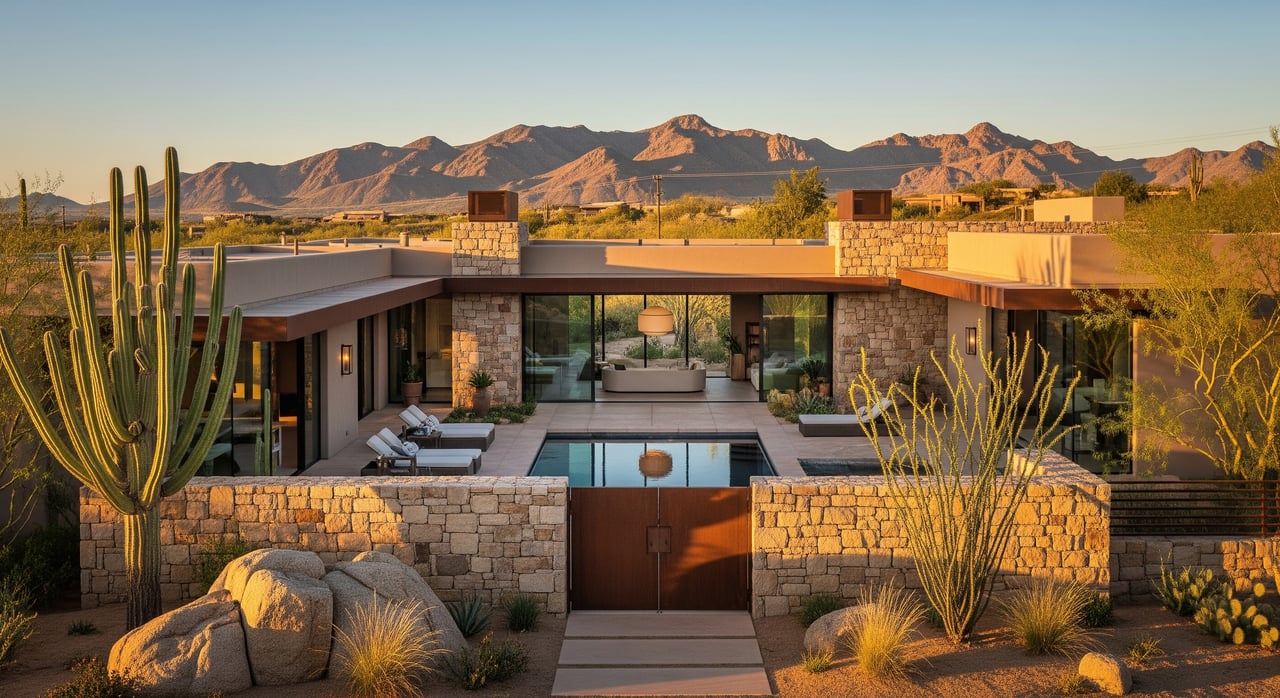
North Scottsdale offers a wide mix of properties and lifestyles. You will find high‑amenity, master‑planned and golf communities with established HOAs, suburban neighborhoods with lighter HOA oversight, and nearby rural or large‑lot areas where horses and outbuildings may be allowed under zoning. Examples of well‑known HOA communities include Silverleaf, Desert Mountain, DC Ranch, Troon North, Grayhawk, and McDowell Mountain Ranch.
Many buyers choose this area for access to the McDowell Sonoran Preserve, golf and club amenities, desert views, and proximity to Scottsdale and Phoenix services. Your choice between HOA and non‑HOA often comes down to how you balance convenience and community standards against flexibility and privacy.
What HOAs cover in North Scottsdale
Rules and architectural control
An HOA is governed by recorded documents that include CC&Rs, bylaws, and rules or architectural guidelines. These set design standards, outline what is permitted on your lot, and define processes for exterior changes. Typical topics include paint colors, additions, fencing, solar placement, satellite dishes, parking, pets, and rental policies.
Dues, reserves, and special assessments
Owners pay regular assessments to fund operations, common area maintenance, reserves, and amenities. Dues can change over time. If reserves are not adequate, associations may levy special assessments to cover major repairs or shortfalls. Delinquency rates, litigation, and reserve balances are key indicators of HOA financial health.
Amenities and private clubs
Many North Scottsdale HOAs maintain landscaping, private roads, gates, pools, parks, and community spaces. In high‑end golf communities, club memberships and their fees are often separate from HOA dues. Club membership may be optional, but it is a distinct cost category to consider in your budget.
HOA living: benefits and tradeoffs
Benefits you may value
- Consistent neighborhood standards that help preserve community appearance.
- Shared amenities such as pools, parks, trails, and fitness or clubhouse facilities.
- Reduced personal responsibility for certain exterior or common area maintenance.
Common limitations
- Restrictions on exterior changes, parking of RVs or boats, short‑term rentals, and visible equipment.
- Monthly or annual dues and the potential for special assessments if reserves run low.
- Enforcement actions for violations, including fines or liens for unpaid assessments.
Non‑HOA, rural, and equestrian properties
What you gain
- Greater autonomy for building, landscaping, pets, vehicles, and outbuildings within zoning limits.
- Larger lots and increased privacy that can suit barns, arenas, or hobby projects.
- No recurring HOA dues, which lowers fixed monthly costs.
What you take on
- More owner responsibility for roads, drainage, fencing, landscaping, and erosion control on larger sites.
- Utility diligence such as septic systems, wells or water storage in some areas, and related maintenance.
- Financing and appraisal nuances for properties with nonstandard utilities or rural characteristics.
Cost and lifestyle comparison
Use these questions to compare the true monthly and annual cost of each path:
- What are the HOA dues and the history of changes over the past few years? Are there special assessments planned or discussed?
- Do club initiation costs and annual dues apply in addition to HOA fees? Are there minimum spend requirements?
- If there is no HOA, what are your private maintenance costs for roads, drainage, fencing, landscaping, and utilities?
- How do rules affect your desired lifestyle? Consider trailers, RVs, boats, exterior storage, pets, and future additions or a pool.
- How might restrictions or high fees affect your future resale pool? Some buyers prefer strict standards, while others avoid them.
Water, landscaping, and desert living
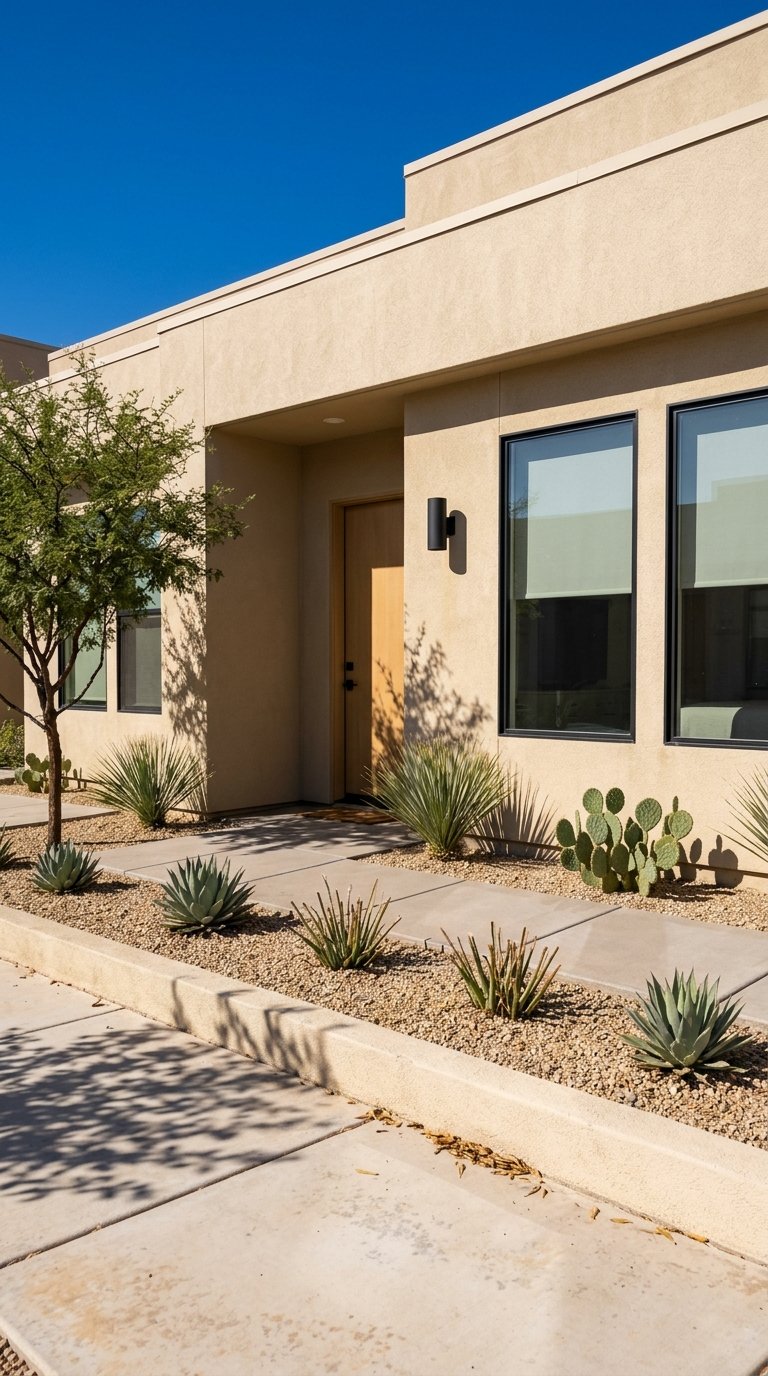
Water conservation is a major factor across Scottsdale and Maricopa County. HOAs often adopt water‑wise landscaping standards and turf limitations that shape curb appeal and ongoing costs. Outside of HOAs, you have more discretion, but city or county rules still apply. Your plan for xeriscape, irrigation, and plant selection should align with both local regulations and your budget.
Due diligence checklist for HOA properties
Request these items during your inspection and document review period:
- Full governing documents: CC&Rs, bylaws, articles, architectural guidelines, and rules.
- Current budget, recent financial statements, and reserve study with balance.
- Board and annual meeting minutes for the past 12 to 24 months.
- Insurance summary for the HOA and a clear outline of owner responsibilities.
- Disclosure of any special assessments, planned or pending.
- Current fee schedule for dues, transfer fees, move‑in fees, and violation fines.
- Club membership agreements and dues, if applicable.
- List of recent projects, planned capital improvements, and timelines.
- Delinquency report or percentage of owners behind on dues.
- Litigation disclosures involving the association or developer.
Due diligence checklist for non‑HOA and rural properties
These items help you validate use, utilities, and long‑term maintenance:
- Title report showing any recorded covenants or deed restrictions.
- Zoning verification and permitted uses from City of Scottsdale or Maricopa County.
- Well permits and water service details if not on municipal water.
- Septic system records, pump or inspection history, and locations.
- Private road maintenance agreements and cost‑sharing terms.
- Records of permits for barns, enclosures, grading, or other site work.
Rental, pets, parking, and approvals
Clarify lifestyle rules early so you avoid surprises after closing:
- Rental policies, including short‑term or seasonal rental allowances and limits.
- Architectural approval steps for exterior changes and typical timelines.
- Parking rules for RVs, boats, and trailers.
- Pet policies and animal limits that apply in both HOA and non‑HOA areas under local ordinances.
Financing, appraisal, and insurance
Speak with your lender about how HOA dues and any known special assessments affect qualification. Lenders often review association health and may ask for documents. For rural or large‑lot properties, confirm how wells, septic systems, or private roads factor into underwriting. On insurance, understand what an HOA master policy covers and where you need additional coverage for structures, landscaping, and liability.
Timing and negotiation tips
- Use minutes, budgets, and reserve studies to spot red flags like frequent rule changes, low reserves, or litigation.
- Consider asking the seller to cover HOA document fees or allow an extended contingency if rules are complex.
- In new developments, verify developer control periods, unfinished amenities, or future phases that could change assessments or daily life.
How to choose your best fit
Start by listing your top three lifestyle priorities. If you value predictable streetscapes, lower exterior upkeep, and shared amenities, an HOA community may serve you well. If you want flexibility for horses, toys, and custom projects, a non‑HOA large‑lot property is likely a better match. Your budget, desired maintenance level, and comfort with rules will point you in the right direction.
When you are ready to explore, we help you pressure‑test options against your goals. We review documents, coordinate with HOA management or county offices, and outline your true monthly costs so you can move forward with clarity.
Ready to find the right North Scottsdale property for your lifestyle? Connect with Jobey & Andy Frank for a focused plan and local guidance.
FAQs
What does an HOA typically regulate in North Scottsdale?
- Expect rules for exterior design, paint colors, additions, fencing, solar placement, parking, pets, and rental policies, as well as processes for approvals and enforcement.
How do HOA dues compare to non‑HOA maintenance costs?
- HOA dues cover shared maintenance and amenities, while non‑HOA owners budget for private costs like road upkeep, fencing, irrigation, wells or septic, and larger‑lot landscaping.
Do golf club fees replace HOA dues in private communities?
- No, club memberships and their fees are usually separate from HOA dues, so plan for both if you want access to golf or club facilities.
What should I check before buying a non‑HOA horse property?
- Confirm zoning for animal allowances, setbacks, and permit rules, plus utilities like well and septic records and any private road maintenance agreements.
Can HOA finances affect my mortgage approval?
- Yes, lenders consider HOA health and dues, and may review documents; very high dues or signs of financial stress can influence qualification and appraisal.
Are water and landscaping rules a big factor in Scottsdale?
- Yes, water conservation influences landscaping choices; HOAs often enforce water‑wise standards, and city or county rules apply even outside HOAs.