Leave a Message

Thank you for your message. We will be in touch with you shortly.

How Pre-Listing Renovations Boost Central Phoenix Home Sales

February 5, 2026

Are you wondering which fixes will actually help your Central Phoenix home sell faster and for more? With buyers eyeing everything from air conditioning to historic details, it can be hard to know where to invest. You want a smooth sale, fewer surprises, and a strong price. This guide shows you which pre-listing renovations make the biggest impact for historic and mid-century homes in Central City and nearby neighborhoods, plus how to plan, permit, and fund the work. Let’s dive in.

Why pre-listing renovations matter

You compete with nearby listings, not the whole metro. In Central Phoenix, buyers care about comfort in the desert climate, curb appeal that fits the neighborhood, and tasteful updates that respect a home’s era. When you handle key repairs and light upgrades before hitting the market, you reduce buyer objections and speed up your timeline. In a stronger seller’s market, small cosmetic changes can go a long way. In a cooler market, targeted upgrades can help you stand out.

What Central Phoenix buyers expect

  • Reliable cooling and well-serviced HVAC. Buyers notice service records and clean filters.
  • Roofs without leaks and proper drainage that signal a well-maintained home.
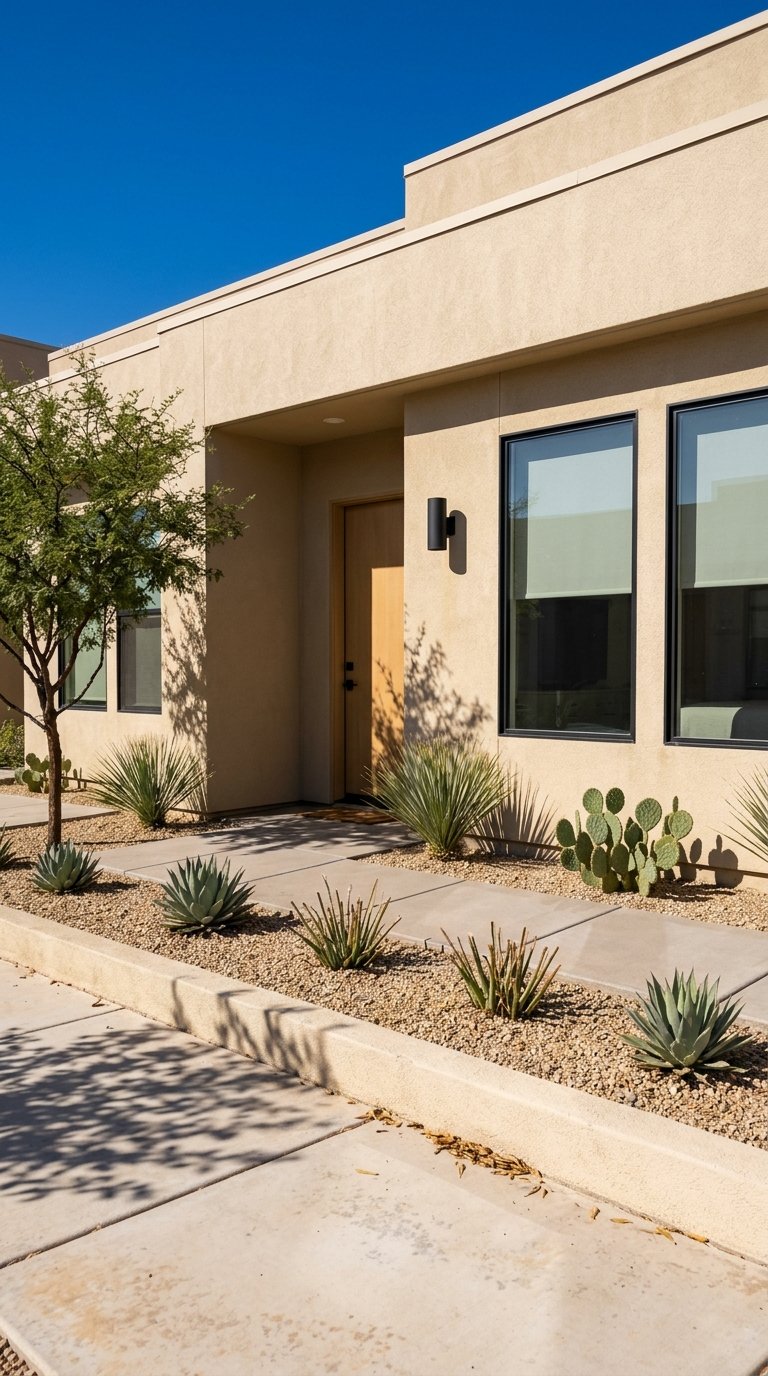
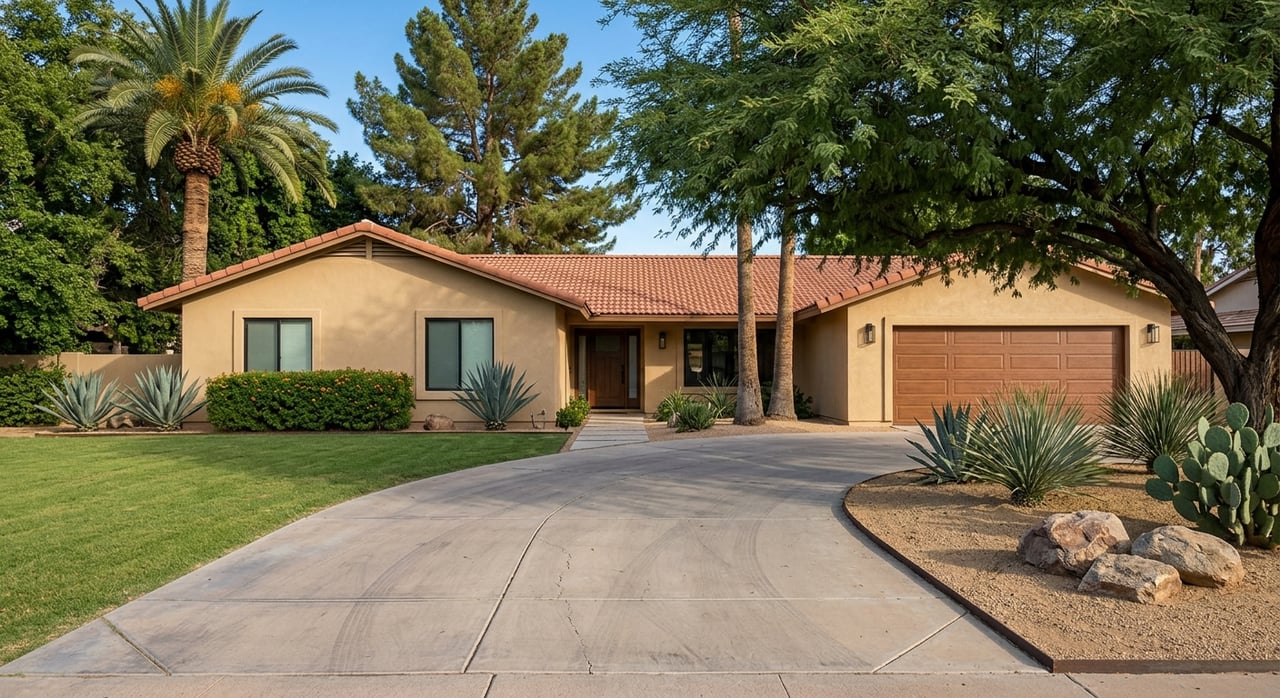
  • Drought-tolerant landscaping and tidy, low-water curb appeal.
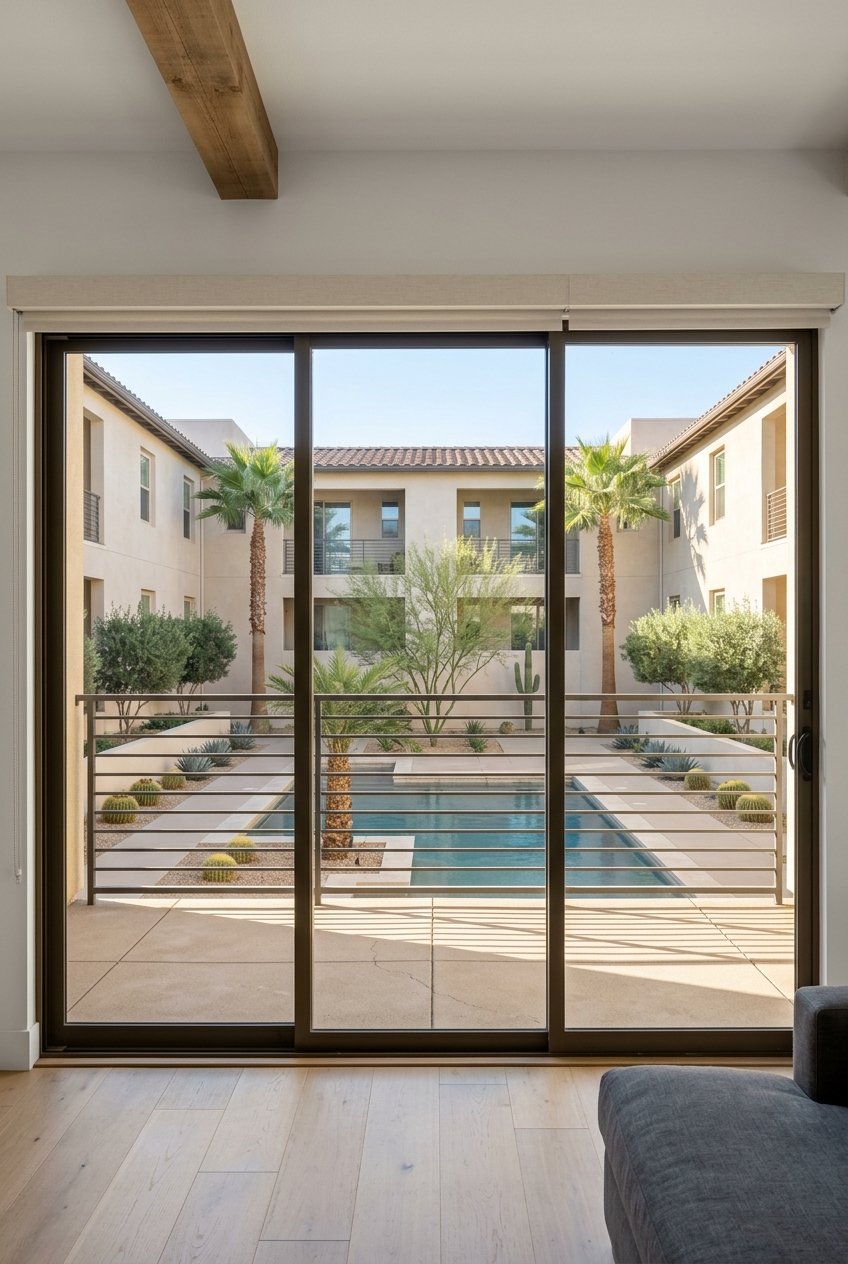
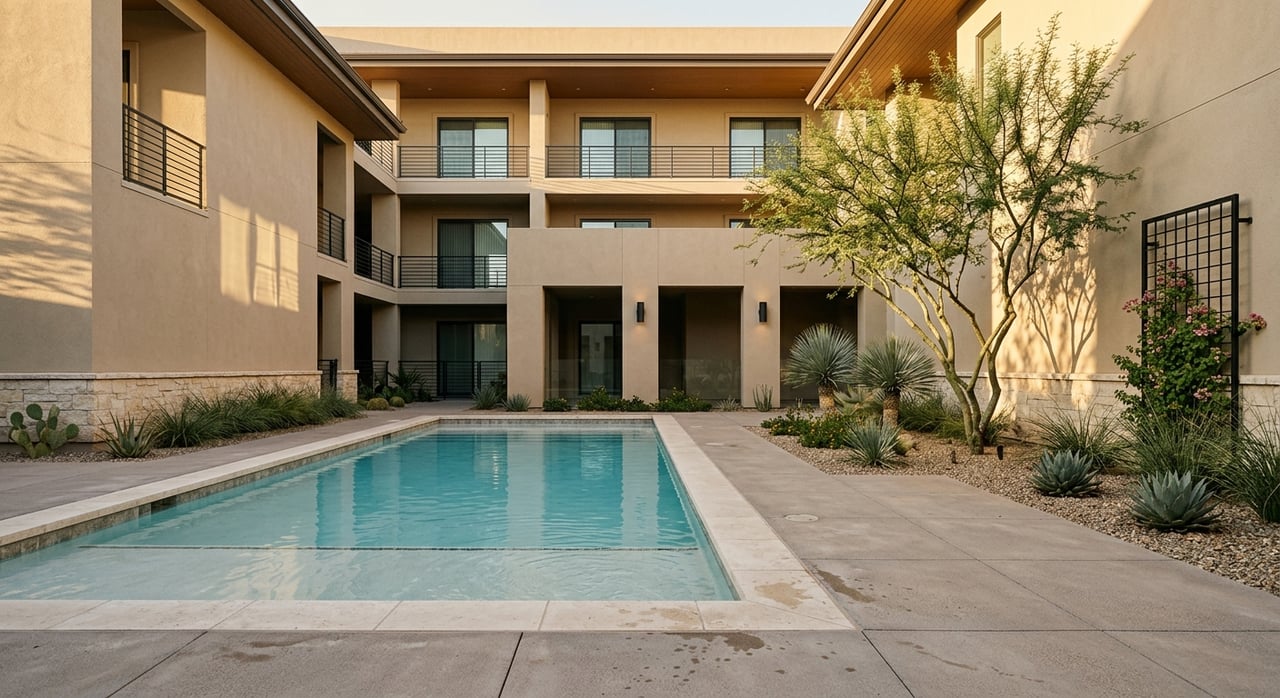
  • Pools that are clean, safe, and show operable equipment and code-compliant fencing.
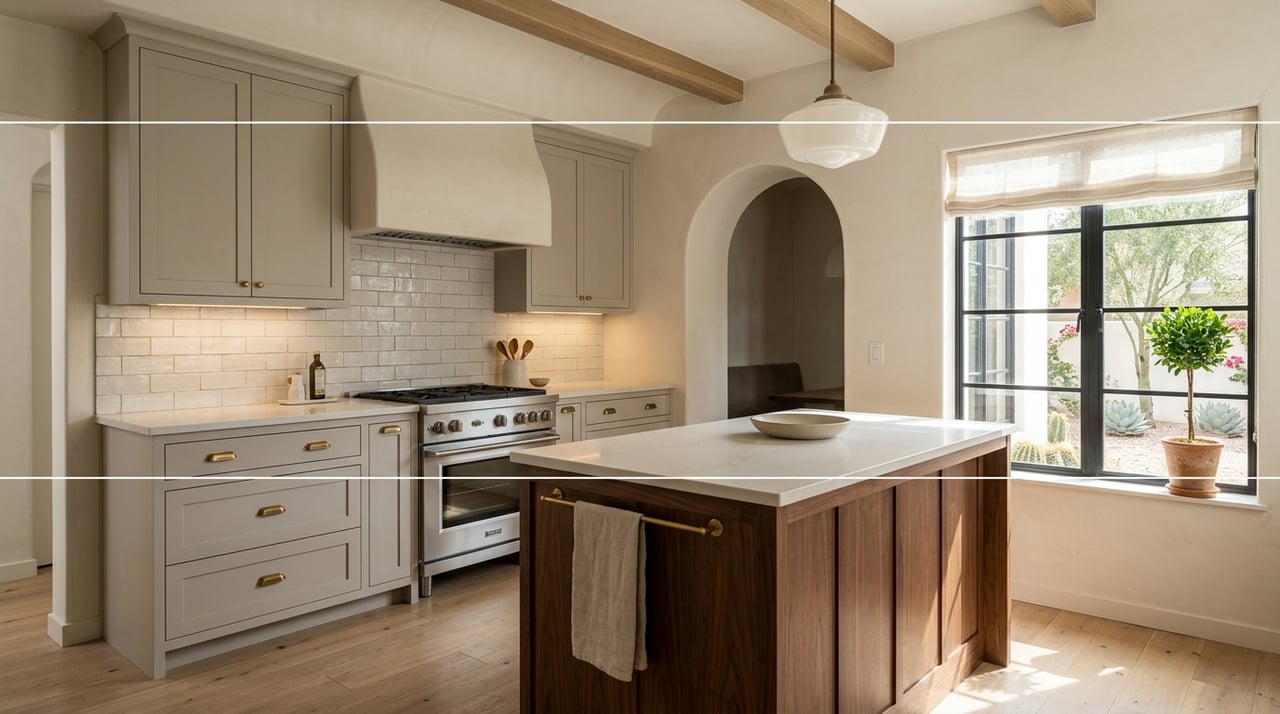
  • Kitchens and bathrooms that feel fresh and functional. Historic buyers prefer sensitive, character-forward updates.

High-impact projects to do first

Systems and safety

Start with the items that can stall a sale. Service the HVAC, address electrical hazards, correct plumbing issues, and repair roof leaks. Install smoke and carbon monoxide alarms where required. These fixes remove deal-breakers that often surface during inspections.

Curb appeal and exterior

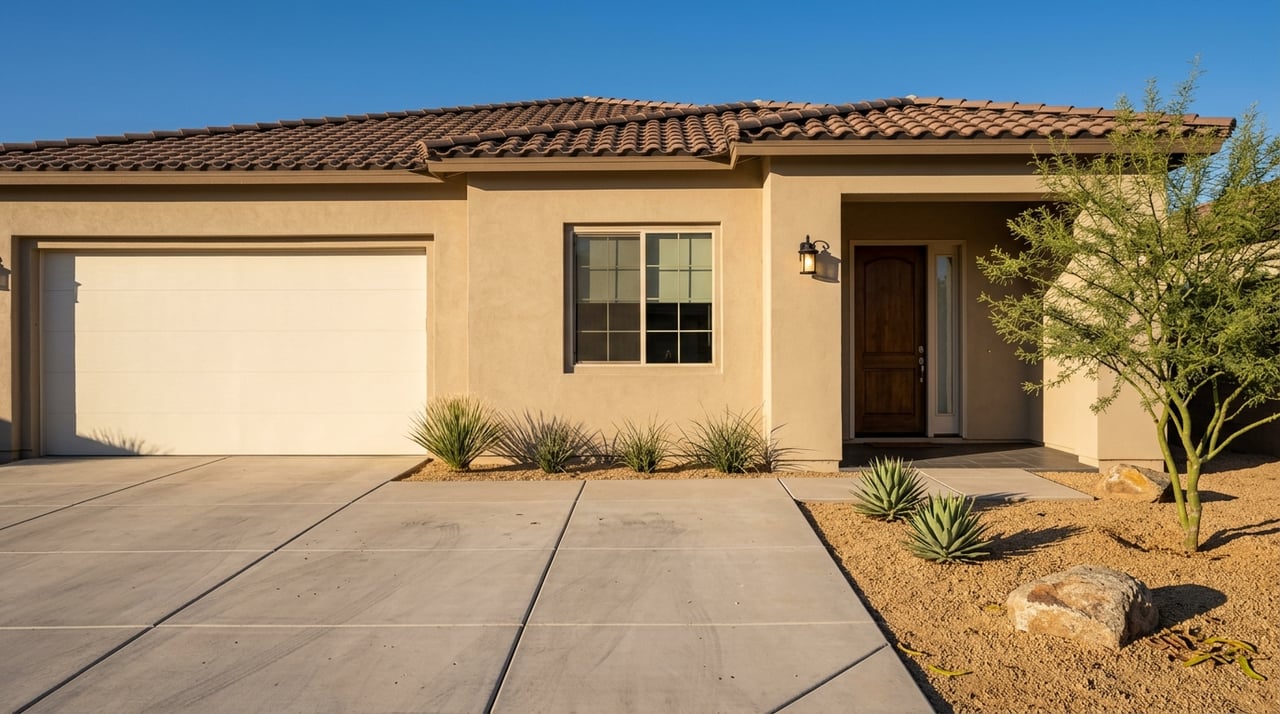
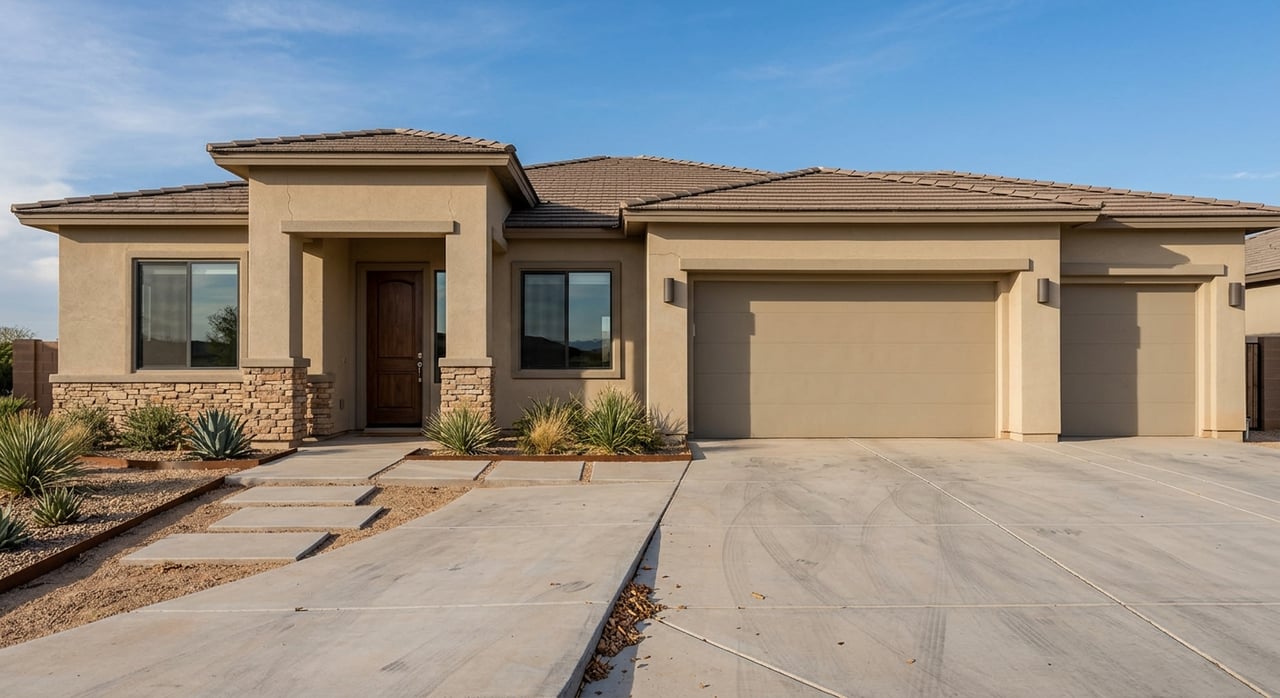
Make a strong first impression. Refresh exterior paint where needed, clean pathways, and tune landscaping for low water use. Update the front door hardware, lighting, house numbers, and mailbox. If you have a pool, make sure it is clean and that safety features meet local code.

Fast cosmetic refreshes

Fresh, neutral interior paint and small drywall repairs make rooms feel clean and bright. Update tired hardware like faucets and knobs. Deep clean, including windows, and replace or refinish worn flooring when it clearly drags down the look. Professional staging can amplify these changes.

Tailor updates to your home’s era

Historic homes: protect character

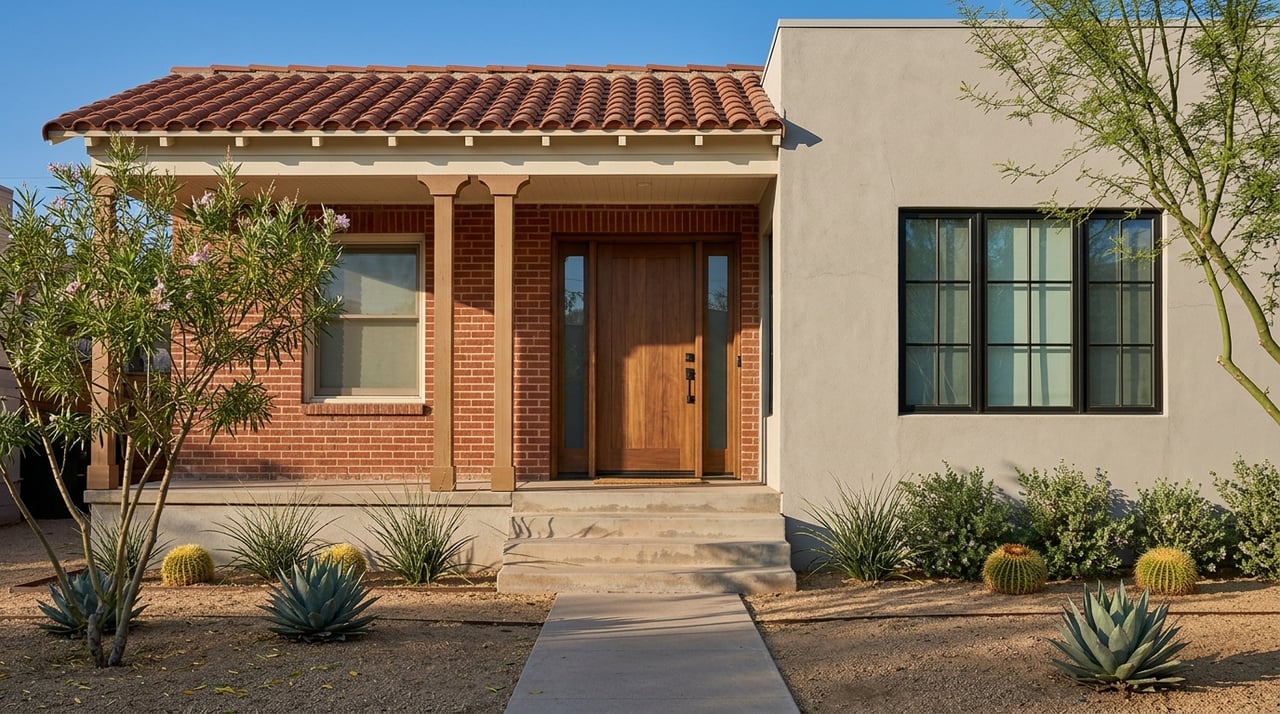
If you are in districts like Willo, Encanto-Palmcroft, Coronado, Roosevelt, or Garfield, preserve original elements. Restore woodwork, built-ins, and period hardware where feasible. Be careful with windows that are visible from the street, since many historic areas restrict replacements. In kitchens and baths, favor period-appropriate finishes that bring modern function without erasing charm. Keep structural and systems upgrades discreet and well documented.

Mid-century homes: clean lines and flow

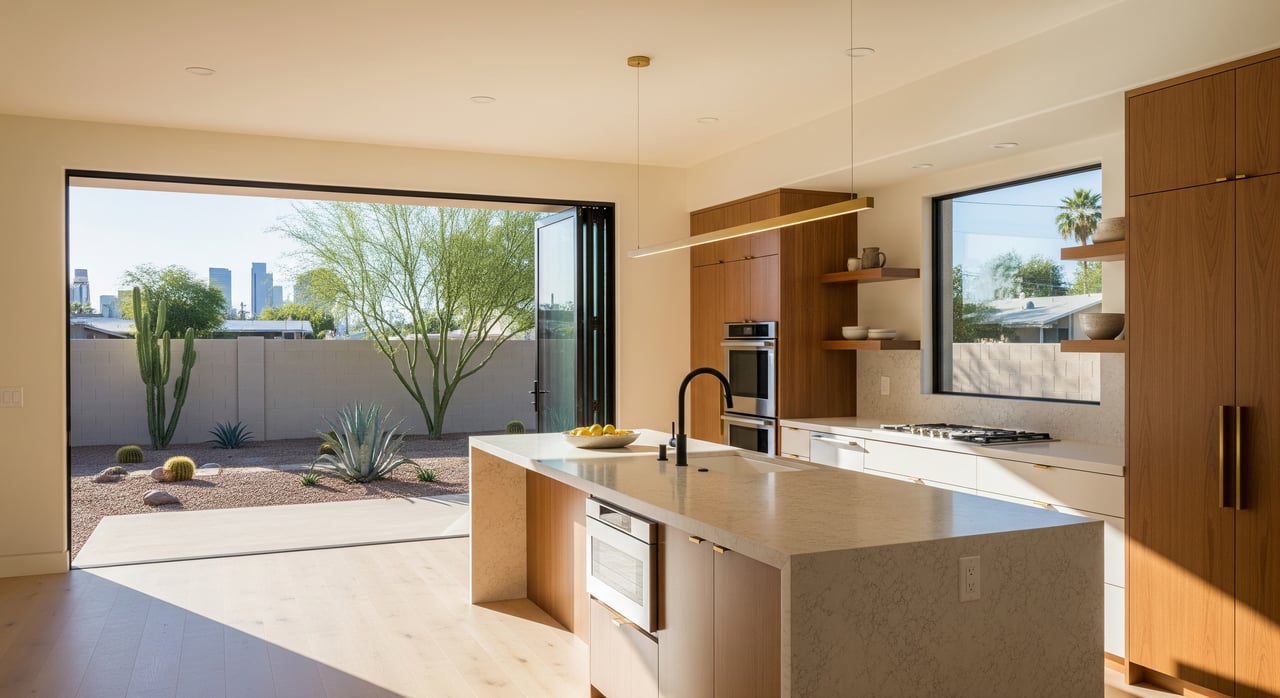
Highlight open sightlines, natural light, and indoor-outdoor living. Refresh kitchens and baths with simple, streamlined materials that suit the era. Preserve or refinish original hardwoods when possible, or choose understated replacements. Pair the exterior with low-water plant palettes that complement mid-century style.

Permits, historic rules, and disclosure

Before starting, confirm whether your project needs a permit. Electrical, structural changes, major HVAC work, and additions often require approval. If you are in a designated historic district, exterior changes visible from the street typically need review. Avoid unpermitted work. It can derail title, slow closing, and reduce buyer confidence. Be transparent about known defects, past repairs, and any unpermitted work, and provide permit records and invoices when available.

Funding your pre-listing work

Common financing paths

  • Cash or savings. Fastest and lowest cost.
  • Home equity or HELOC. Lower rates than unsecured loans, but requires approval and adds a lien.
  • Personal loan. Faster approvals with higher interest than secured options.
  • Credit cards. Use sparingly for short-term, smaller expenses.
  • Contractor financing. Terms vary and should be reviewed carefully.
  • Bridge loan. Can cover improvements and carrying costs, but may be more expensive.

Repair advances repaid at closing

Short-term “repair advance” options can fund improvements and get repaid from sale proceeds at closing. Terms vary, and fees can be higher than traditional loans. Confirm how repayment works with your title company, read the fine print on triggers and late fees, and understand whether a lien will be recorded. Compare the total cost to other financing before you commit.

A 6–12 month action plan

Step 1: Assess and prioritize (weeks 0–2)

  • Meet with a local listing agent for neighborhood comps and buyer profiles.
  • Order a pre-listing inspection or walkthrough to surface issues with HVAC, roof, electrical, plumbing, or structure.
  • Check historic-district or HOA rules for planned exterior work.
  • Get 2 to 3 licensed contractor bids for significant items.

Step 2: Fix must-haves (weeks 2–4)

  • Address safety issues, code violations, leaks, and pool fencing compliance.
  • Schedule HVAC service, minor electrical and plumbing repairs, and roof fixes.
  • Begin interior and exterior paint where needed.

Step 3: Refresh and present (weeks 4–6)

  • Update kitchens and baths with targeted, budget-friendly changes.
  • Refinish or replace worn flooring. Clean windows and power-wash surfaces.
  • Improve landscaping with low-water plants and fresh gravel or mulch.
  • Stage the home to highlight light, flow, and outdoor living.

Step 4: Finalize and launch (weeks 6–8)

  • Complete touch-ups and deep cleaning.

  • Capture professional photos and floor plans.

  • Prepare disclosures, permits, and warranties to share with buyers.

  • List with a pricing strategy aligned to recent neighborhood comps.

Historic home checklist

  • Confirm the review path for exterior changes.
  • Restore original trim, built-ins, and hardware where feasible.
  • Upgrade HVAC, wiring, and plumbing discreetly.
  • Choose period-appropriate finishes and colors.
  • Organize documentation of restoration work and permits.

Mid-century home checklist

  • Emphasize natural light and indoor-outdoor flow.
  • Use clean-line materials in kitchens and baths.
  • Refinish original floors where possible.
  • Present low-water landscaping and inviting patio areas.

Avoid common pitfalls

  • Over-improving beyond neighborhood comps. Big spend does not always mean big return.
  • Starting work without permits or required historic approvals. This can delay your closing.
  • Relying on high-cost financing without comparing options and confirming title acceptance.
  • Failing to disclose known issues or past unpermitted work. Transparency builds buyer confidence.

Ready to sell with confidence?

You do not need a full gut remodel to win. Most Central Phoenix sellers get better results by fixing systems, improving curb appeal, and making focused updates that fit the home’s era. If you want a tailored plan and help lining up contractors, staging, and financing for pre-listing improvements, our team can guide every step. Connect with Jobey & Andy Frank to request a free home valuation and renovation plan and learn about streamlined options for funding pre-listing work.

FAQs

What pre-listing renovations add value in Central Phoenix?

  • Focus on HVAC and roof readiness, low-water curb appeal, clean and neutral interiors, and targeted kitchen and bath refreshes that respect your home’s era.

Do I need permits for pre-sale work in Phoenix?

  • Many electrical, structural, HVAC, and exterior changes require permits, and historic districts often review street-visible alterations, so confirm requirements before starting.

How should I prepare a historic home for sale?

  • Preserve character features, follow historic guidelines for exterior work, update systems discreetly, and document all restoration and permit history for buyers.

What are repair advance options for sellers?

  • Short-term funds can cover improvements and be repaid at closing, but costs and terms vary, so compare to other financing and confirm title company acceptance.

Should I renovate or sell as-is in Central Phoenix?

  • Use neighborhood comps and an agent’s advice to weigh costs versus expected value; in stronger markets, light cosmetic updates can be enough to compete.

How long do typical pre-listing projects take?

  • Quick cosmetic and curb appeal work can take 1 to 2 weeks, systems servicing 2 to 4 weeks, moderate refreshes 4 to 8 weeks, and major permitted projects longer.

Work With Us

Jobey, Andy and the Frank Realty Group are dedicated to giving you an exceptional experience in your home buying and selling process. Contact us today to start your journey!