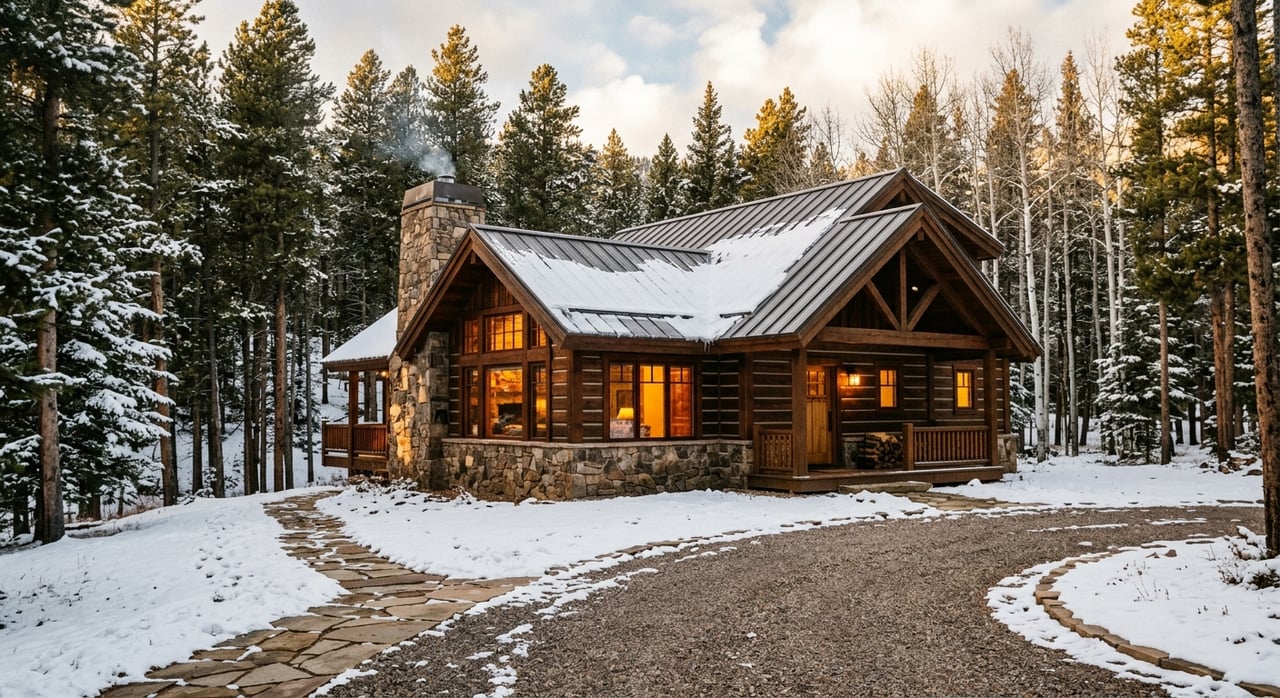
Flagstaff vs. Williams for Second Home Investing
May 14, 2026
May 14, 2026
If you are dreaming about a mountain getaway in Northern Arizona, one question usually comes up fast: should you buy in Flagstaff or Williams? Both offer four-season scenery, easy access to outdoor recreation, and a true mountain-town feel, but they serve very different goals depending on how you plan to use the property. This guide will help you compare price, lifestyle, rental potential, and ownership considerations so you can choose the retreat that fits you best. Let’s dive in.
If you want the short version, Flagstaff is the larger, pricier, more year-round mountain market. Williams is generally the lower-cost option, with a smaller-town setting and a tourism-driven feel.
In March 2026, Redfin reported a median sale price of $710,000 in Flagstaff, compared with $443,000 in Williams. Zillow also showed a clear gap, estimating a typical home value of $656,480 in Flagstaff and $442,779 in Williams. That price spread matters if you are balancing lifestyle goals with budget and long-term plans.
Flagstaff also has more housing inventory. Zillow reported 306 homes for sale in Flagstaff, compared with 62 in Williams. More inventory can give you a broader mix of cabins, full-time homes, and second-home options to review.
Flagstaff is not just a vacation destination. It is the regional center and county seat for Coconino County, with about 84,000 year-round residents in the planning area and more than 17,000 Northern Arizona University students.
That steady year-round presence gives Flagstaff a different rhythm. It tends to feel more like a mountain city with daily activity, broader housing demand, and a more established second-home market than a purely seasonal destination.
The city also acknowledges ongoing housing pressure. Its housing and land studies focus on how zoning, environmental constraints, and infrastructure gaps can limit development, which helps explain why supply can feel tight in certain parts of the market.
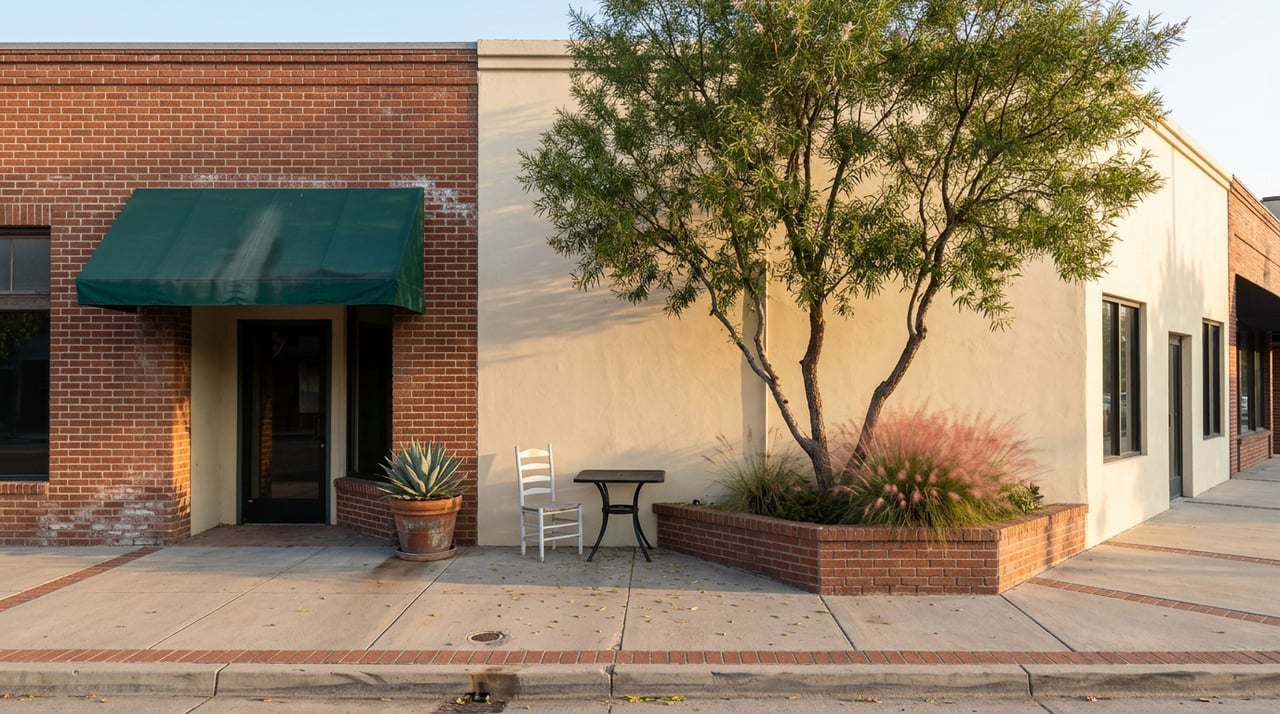
Williams offers a different kind of mountain experience. The city describes itself as a four-season community in the Kaibab National Forest, and it is known for its historic downtown, Route 66 identity, and tourism economy.
The Historic Downtown District covers six square blocks, and the city is about 30 miles west of Flagstaff on Interstate 40. Williams also promotes itself as the Gateway to the Grand Canyon, and tourism accounts for most of its economic activity.
For many buyers, that translates into a more compact market and a lower entry point. If your goal is a simpler retreat, a smaller-town pace, or a vacation home that does not require Flagstaff-level pricing, Williams often stands out.
Price is more than a monthly payment. It affects what type of home you can buy, how much work you may want to take on, and whether the property can support part-time rental use.
Here is a quick comparison from the research provided:
| Market | Median Sale Price | Typical Home Value | Homes for Sale | Median List Price |
|---|---|---|---|---|
| Flagstaff | $710,000 | $656,480 | 306 | $758,441 |
| Williams | $443,000 | $442,779 | 62 | $545,666 |
If you want more choice, stronger year-round demand, and a deeper market, Flagstaff may justify the higher cost. If you want to enter the mountain market at a lower price point, Williams may offer a more approachable path.
If you are thinking about offsetting ownership costs with short-term rentals, Flagstaff currently has the larger vacation-rental ecosystem. AirDNA reports 2,744 active vacation rentals in Flagstaff, compared with 794 in Williams.
AirDNA also estimates annual revenue of $32.3K in Flagstaff and $28.6K in Williams. Occupancy is reported at 54% in Flagstaff and 48% in Williams, while average daily rates are $274.8 in Flagstaff and $223.7 in Williams.
Those numbers suggest Flagstaff has more scale and a deeper short-term rental market. Williams still has tourism demand, but it appears to operate in a smaller and more compact rental environment.
If you are not planning to use the home as a short-term rental, Flagstaff also shows a notable long-term rental benchmark. Zillow reported average rent of $2,201 per month in March 2026.
Before you buy with rental plans in mind, it is important to understand local rules. In Flagstaff, the city requires a one-year short-term rental license, an emergency point of contact, written neighbor notification, proof of an Arizona Transaction Privilege Tax license, and a $180 fee.
Coconino County also notes that its short-term rental permit applies only to unincorporated county land. It does not apply inside the City of Flagstaff or the City of Williams, where separate local processes may apply.
Williams’ city website separately lists a Short Term Rental Registration Form. If rental income is part of your purchase strategy, reviewing the exact location and governing jurisdiction is one of the first steps to get right.
Buying a mountain retreat in Northern Arizona is different from buying in the Valley. Flagstaff sits at nearly 7,000 feet at the base of the San Francisco Peaks and averages about 94 inches of snowfall per year.
The city describes its climate as four-season, with cool summers, cold winters, and monsoon thunderstorms in July and August. Williams is also a high-elevation market at 6,770 feet and is described by the city as a four-season community.
That means ownership comes with practical planning. Snow removal, winter access, freeze protection, and seasonal maintenance should all be part of your decision, especially if the home will sit vacant for stretches of time.
For many buyers, the mountain lifestyle is the whole point. Flagstaff offers immediate access to trails and open space, including the FUTS system, the Arizona Trail through town, Buffalo Park Loop, Fort Valley Trail, and routes through areas like Ponderosa Trails and Cheshire.
Ski access is also a major draw. Arizona Snowbowl is 14 miles north of Flagstaff and advertises 55 trails and 2,300 lift-served vertical feet.
Williams has its own strong outdoor appeal. The city highlights seven area fishing lakes, hiking trails up Bill Williams Mountain and into Sycamore Canyon, an alpine ski area, cross-country ski trails, and Grand Canyon access.
If you want a larger trail network and quick ski access tied to a bigger year-round market, Flagstaff may be the better fit. If you prefer a smaller tourism-centered base with easy access to outdoor recreation, Williams may feel more aligned.
In Flagstaff, common search areas listed on Zillow include Swiss Manor, Walnut Meadows, Smokerise Valley, Tanglewood, Mount Elden Foothills, and Timberline-Fernwood. The broader planning area also includes places like Kachina Village, Mountainaire, Doney Park, Fort Valley, and Bellemont.
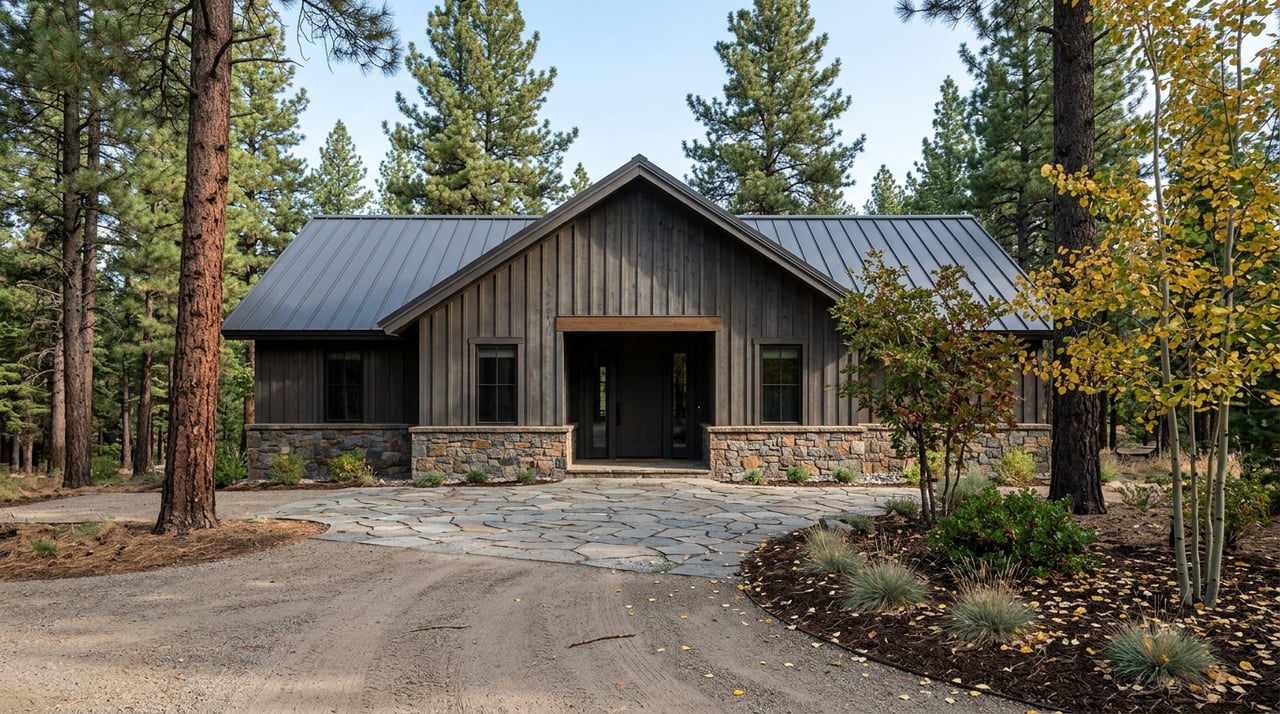
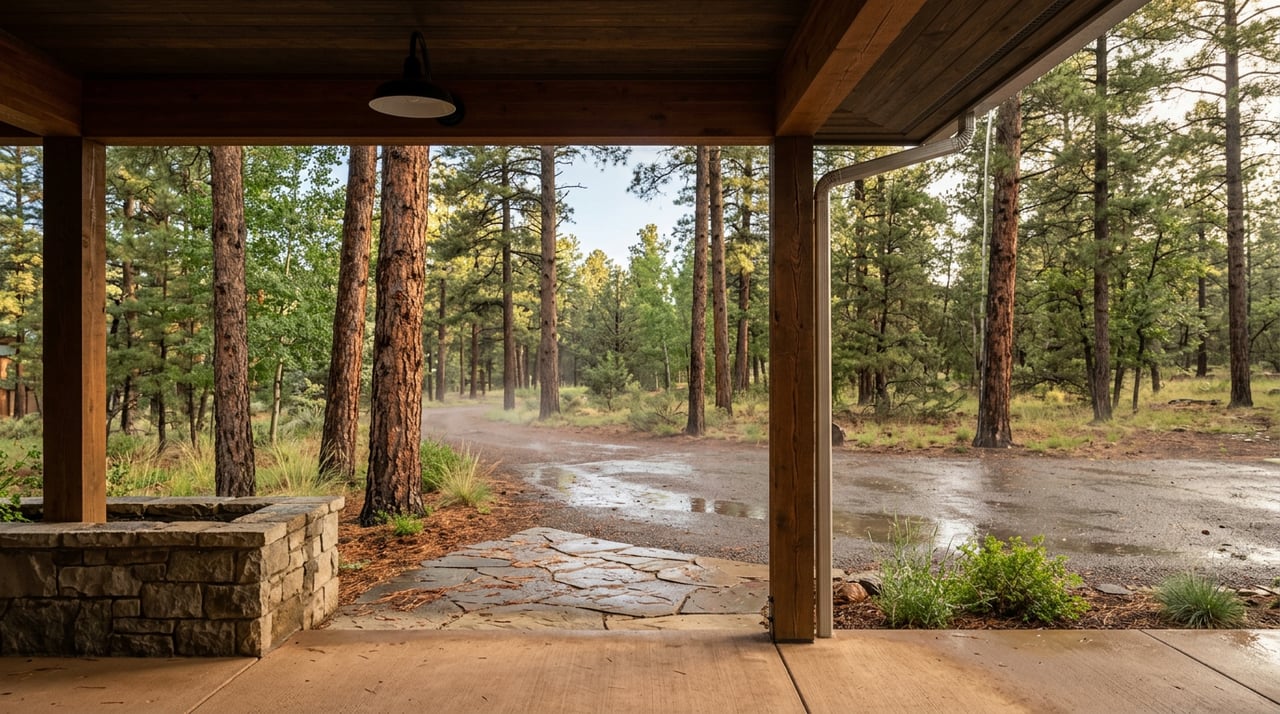
These are the kinds of areas many retreat buyers explore when they want forested surroundings, cabin-style character, or a little more separation from the busier parts of town. Inventory, road access, lot style, and snow exposure can vary meaningfully from one area to another.
Williams is more compact overall, so buyers often focus first on whether they want proximity to downtown, easier in-and-out access, or a setting that feels more tucked into the surrounding landscape. In either market, matching the property’s location to your actual use pattern is key.
Mountain property ownership also means thinking about risk and preparation. Flagstaff’s Wildfire Resilient Homes Initiative is designed to help reduce wildfire risk, and Coconino County identifies wildfire and post-wildfire flooding as major public safety threats.
The county also notes that fire restrictions can change at any time without notice. If you are buying a second home or cabin, it is wise to think beyond the floor plan and views.
You will want to consider defensible space, exterior materials, insurance questions, and how you will manage the property during high-risk periods. These practical details can have a big impact on peace of mind.
Flagstaff tends to fit buyers who want a larger, more established mountain market with stronger short-term rental scale, immediate access to skiing, and a more active year-round environment. You may pay more, but you are also buying into a deeper market with broader demand drivers.
Williams tends to fit buyers who want a lower-priced retreat and a smaller-town, tourism-driven setting. If your goal is a mountain base with a more compact feel and lower entry pricing, Williams can be a very appealing option.
The right choice depends on how you plan to use the home. A personal retreat, a part-time rental, a long-term investment, or a renovation opportunity can all point you in slightly different directions.
Before you make an offer, it helps to be clear on a few things:
This is where local guidance can make a real difference. A mountain property is not just about the listing photos. It is also about location fit, seasonal access, rental rules, and the real cost of ownership over time.
If you are comparing Flagstaff and Williams, the best next move is to look at properties through the lens of how you will actually live in them or use them as an investment. The team at Andy Frank can help you evaluate mountain retreats, identify value-add potential, and build a strategy that fits your goals.
Stay up to date on the latest real estate trends.
Jobey, Andy and the Frank Realty Group are dedicated to giving you an exceptional experience in your home buying and selling process. Contact us today to start your journey!